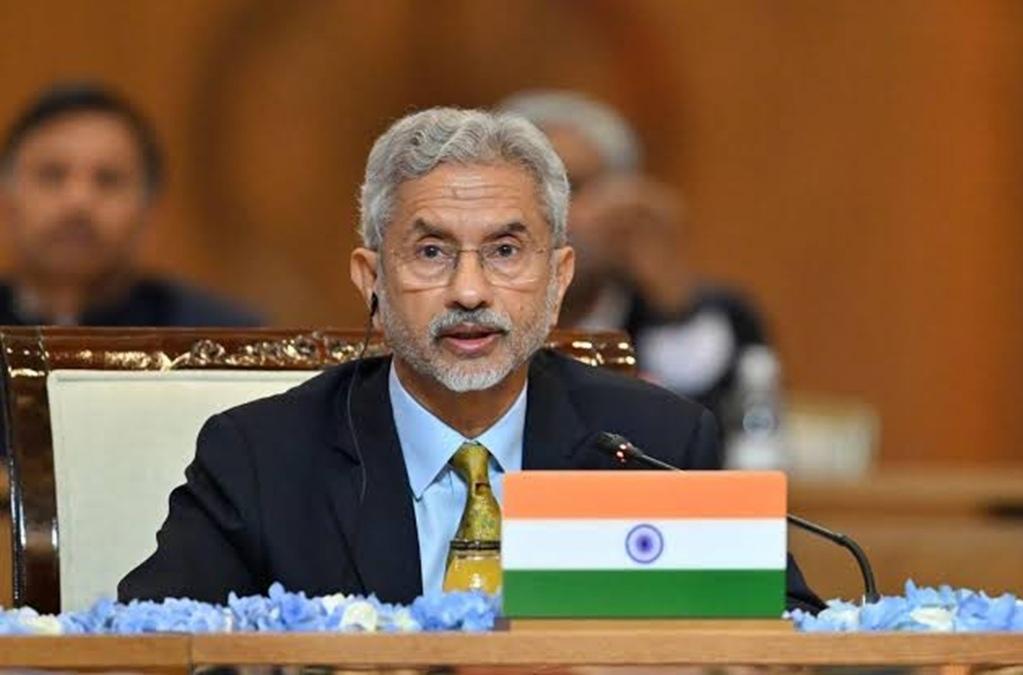
India has made yet another diplomatic offensive, as Foreign Minister of India, S. Jaishankar, started his tour of six countries from 5th to 15th July, 2026. The tour includes visits to Qatar, Bahrain, Kuwait, Oman, the United States (New York), and Belgium (Brussels). The tour is taking place at a crucial juncture for the geopolitical dynamics of West Asia, while India is simultaneously working on strengthening ties with Europe and increasing its influence in international organizations.
As per the Ministry of External Affairs (MEA), the tour will be focused on three primary purposes, including strengthening the strategic partnership with Gulf countries, launching the Indian campaign for getting a seat at UNSC as a non-permanent member for 2028-2029, and attending the India-European Union TTC in Brussels.
Enhancing Strategic Relationship between India and Gulf States
The first leg of Jaishankar’s trip involves visits to four crucial Gulf states: Qatar, Bahrain, Kuwait, and Oman. The Gulf countries represent some of India’s best partners in West Asia because of economic cooperation, energy, trade, investment, and the large population of Indians in these Gulf countries.
While meeting senior government officials and foreign ministers of the Gulf countries, Jaishankar will discuss bilateral cooperation in fields including energy security, infrastructure, investments, trade, digitization technology, defense cooperation, maritime security, and people-to-people engagement. The Indian diaspora, which plays an important role in the development of economies of both India and the Gulf countries, will also be discussed.
Dealing with Security Issues in West Asia
This diplomatic mission is very timely, considering the current situation in West Asia, where several security issues related to Iran, Israel, and the US have been witnessed in the recent past. Even though some steps have been taken for implementing ceasefire measures, there still persist concerns about the stability of the region, security of its waters, and energy supplies.
Several states in the Gulf region provide facilities to the military of America and have actively participated in many regional crises that took place lately. India, which imports most of its crude oil and natural gas from the countries of this region and also uses it for maritime routes, has always maintained the stance of dialogue, restraint, and peaceful solution to conflicts.
India to Kickstart Campaign for UNSC Seat
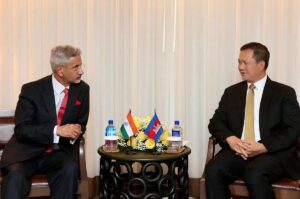
Following his visits to the Gulf countries, Jaishankar is scheduled to leave for the US to kick off India’s campaign for the country’s inclusion as a non-permanent member of the UN Security Council for the term 2028-29.
India has always maintained that the present UNSC composition does not reflect the contemporary political realities of the world. Being the most populous nation, the second-fastest growing economy, and a top contributor to UN peacekeeping operations, India believes it deserves a bigger say in international affairs.
India’s campaign to win a place on the UNSC will include diplomacy to win international backing ahead of the election. A seat in the UNSC will help India have an active participation in debates on international peace, security, terrorism, climate change, and reform of global governance systems.
Enhancing India-EU Relations
The last leg of his trip will see Jaishankar heading to Brussels, where he will attend the third India-EU Trade and Technology Council (TTC) meeting.
Launched in 2022, the Trade and Technology Council is an important forum that allows India and the European Union to collaborate on new technologies and business relations. The agenda of the meeting will include issues such as artificial intelligence, chip production, cybersecurity, quantum computing, digital governance, resilient supply chains, clean energy technologies, and innovation.
Apart from that, there will be bilateral talks held by Jaishankar with EU and Belgian officials to enhance India-EU collaboration in terms of politics, economy, and strategy.
Core Economic and Energy Interests
One of the key aspects of the six-country trip continues to revolve around economic diplomacy. The Gulf nations are among the leading providers of crude oil and liquefied natural gas to India, whereas Europe continues to remain a prominent trading partner for India.
India will be looking to explore possibilities for increasing bilateral investments, increasing trade levels, fostering collaboration in renewable energy and digital infrastructure development, and building resilient supply chains. The discussions could help India in its pursuit of diversifying energy sources to enhance energy security.
Collaborating economically with Gulf nations as well as the European Union helps India in achieving its goal of growing its economy amidst uncertainties in geopolitics.
India’s Growing Diplomatic Presence in the International Arena
This multi-countries tour conducted by Jaishankar showcases the proactive nature of India’s foreign policy. The country is not only working in one region, but at the same time, it is trying to build relations in West Asia, Europe, and within international organizations.
The tour reflects the approach adopted by India to balance its ties with various powers of the world, ensuring its strategic autonomy. This also reflects India’s intent of becoming the prominent voice of the Global South, being a part of a rule-based international system, and participating in the international community.
Conclusion
The diplomatic tour by S. Jaishankar in six countries is considered one of the most important initiatives in the foreign policy of India in 2026. The visit strengthens the relations with Qatar, Bahrain, Kuwait, and Oman, starts India’s bid for a UN Security Council membership and increases cooperation between India and the European Union within the Trade and Technology Council.
With the ongoing transformation of global politics in light of the emergence of conflicts in different regions, technological competition, and changes in economic alliances, it becomes obvious that India strives to safeguard its interests and contribute to the global stability and cooperation.