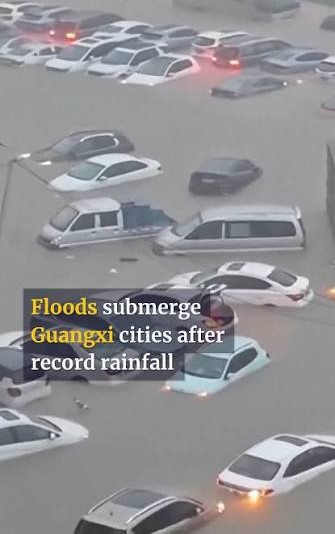
Floods have just hit the Guangxi Zhuang Autonomous Region of China due to a period of heavy rains that caused the overflowing of rivers and the occurrence of flash floods and landslides. The flooding caused severe disruption to lives within many of the towns and counties, as people were evacuated from their homes due to severe damage to property and infrastructure, and even damage to crops.
This is one more instance of the increasing difficulty being faced with regard to natural disasters in China due to frequent rains causing widespread flooding in the summer season.
What Happened?
The heavy flooding was a result of continuous rainfall that occurred for many successive days in Guangxi. The accumulation of rainfall led to the overflowing of rivers and reservoirs, resulting in flooding of many water bodies. Lowlands were affected with flooding, whereas flash flooding and landslides took place in mountains.
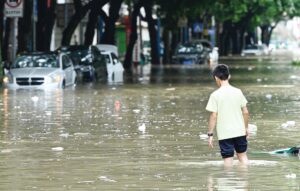
In some towns, roads turned into rivers because of the fast accumulation of water and made transport impossible. Flooding took place in residential places, business structures, and other public infrastructure facilities.
Several warnings about weather were issued, predicting that further rainfall would increase the problem.
Affected Areas
Certain urban and rural areas in Guangxi have been severely affected by flooding because these places received unusually heavy rains. Rural areas have had flooded fields while urban areas have experienced water logging.
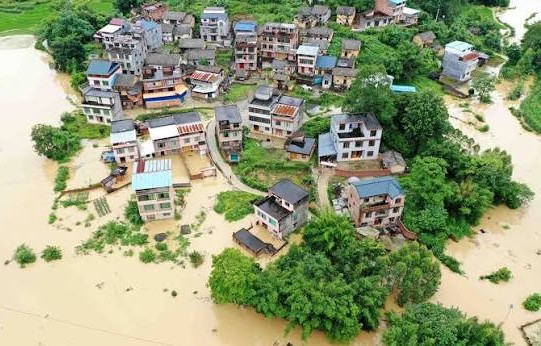
Mountains were particularly at risk because of the occurrence of landslides that have made it difficult to reach certain villages in isolated locations because of blocked roads.
Also, agricultural areas have been badly affected because of the long duration of flooding in the crop fields.
Emergency and Rescue Response
The Chinese government quickly initiated its emergency response plan in the face of warnings of floods. Fire brigades, policemen, the army, and rescue teams were dispatched to the stricken regions.
Inflatable boats and special emergency rescue vehicles were used to save those who remained trapped within their homes due to flooding. The elderly, children, and disabled people were given preference when evacuating the victims.
Temporary camps were set up for the displaced families. Food, water, medicine, blankets, and other necessities were supplied in the temporary camps. The government distributed emergency relief items to the flooded regions.
River levels and weather were constantly observed throughout the rescue mission.
Impact on Transportation and Infrastructure
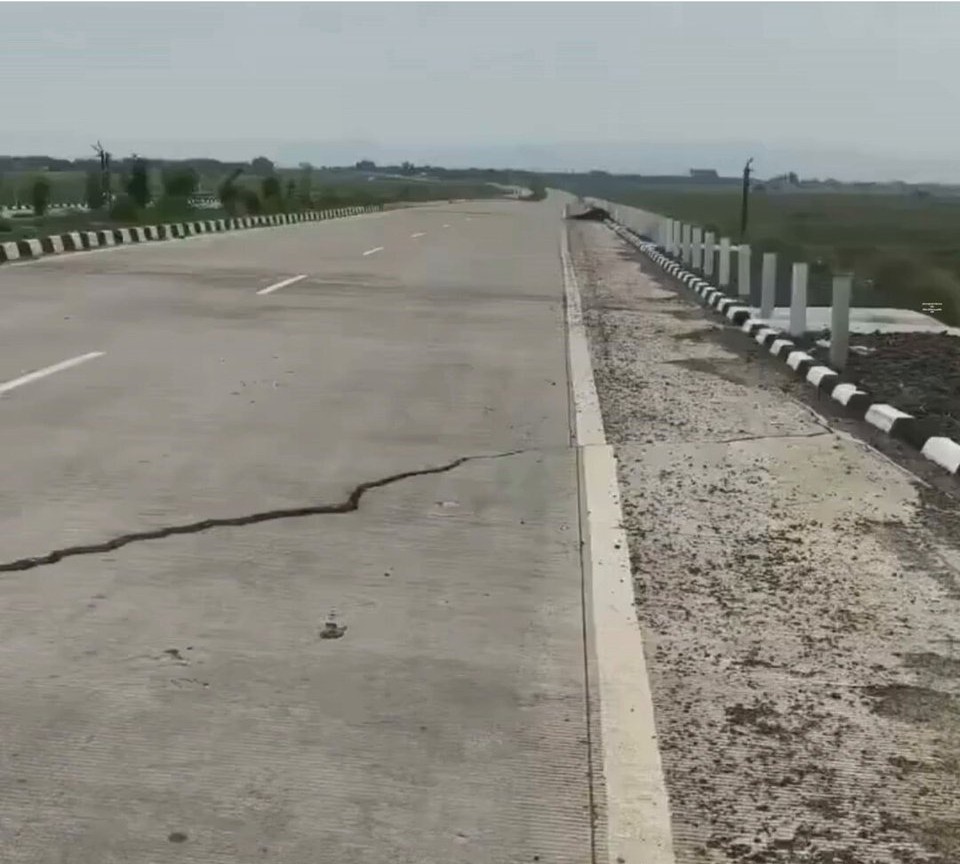
The floods created havoc in the transport sector of Guangxi province. Many highways were inundated, and a number of bridges were rendered unsafe. Mountain roads were closed due to landslides.
Delays and cancellations were witnessed in rail services in some areas due to water damages to the railways infrastructure and nearby utilities. The public transport was disrupted as buses could not run on flooded roads.
Some neighborhoods suffered power failure as a result of water damage to the electricity facilities. In addition, some communities were cut off from water and communication lines due to flood damage.
Impact on Humanity
The number of people who evacuated due to the rising water was in thousands. Most of these residents lost their personal items, furniture, electrical appliances, and valuable documents.
All schools had to cancel their activities in order to protect students. While hospitals kept functioning, they were preparing themselves for an expected increase in the number of people affected by floods.
Thankfully, thanks to constant evacuation and monitoring of weather changes, the human lives were kept at low risk of being endangered by the flooding. Still, the search for missing people continued, while the situation was assessed.
Economic Impacts
There have been considerable economic losses resulting from the floods in Guangxi. The agricultural sector is one of those hit the hardest by the disaster, where rice paddies, vegetable farms, orchards, and livestock operations have suffered losses.
Small-scale businesses had to close shop because of flooding in stores and warehouses. Some factories located in industrial zones have also had to be shut down because of water and power disruptions.
Restoring the roads, bridges, drainage networks, schools, and public buildings will entail considerable costs. The number of insurance claims is expected to increase as people try to assess their losses.
Floods Occurrence
It was noted by meteorologists that the cause of floods was the presence of seasonal rainfall that was unusually heavy coupled with wet soils. In cases when the soil is unable to retain more rainfall, the excess rainwater will flow fast to rivers, lakes, and drainage system making flooding possible.
There are reports made by climate scientists that there are many places across the globe where there is occurrence of excessive rainfall. Although the relationship between extreme weather conditions and climate change is difficult to prove at times, but warming atmosphere makes more moisture in the air possible.
In recent years, China witnessed severe flood disasters which made it necessary for them to establish better forecasts and drainage systems.
Measures Undertaken by the Government and Efforts for Recovery
After the event, the local government and national government undertook various recovery measures. Funds were provided to enable rescue work, repair work, and humanitarian aid.
Various governmental departments also made sure that dams, reservoirs, bridges, and flood control system were safe for the people. Engineers inspected the structures before letting the people enter their homes.
Healthcare sector also took steps to prevent any outbreak of disease from taking place, since floodwater increases the risk of disease through water and through mosquitoes. Water disinfection efforts were undertaken in the affected regions.
Authorities advised people to be cautious even after the rains stopped, because damaged buildings, unstable hillsides, and polluted water continued to be threats.
Conclusion
The recent flooding in Guangxi Zhuang Autonomous Region of China highlights how swiftly an extreme weather event can turn into a humanitarian and infrastructure catastrophe. The heavy rains have led to flooding of rivers, submerging of people, interruption in transport services, destruction of crops, and evacuation of numerous residents.
Although the authorities managed to send emergency teams to provide assistance to the victims, recovery from the event is likely to take quite some time. This would include rebuilding the infrastructure and services along with economic recovery of the community.
As climate change brings more weather extremities to different parts of the world, the Guangxi Zhuang floods, among other natural catastrophes, highlight the significance of better flood control facilities, urban planning, warning technology, and disaster preparation.