
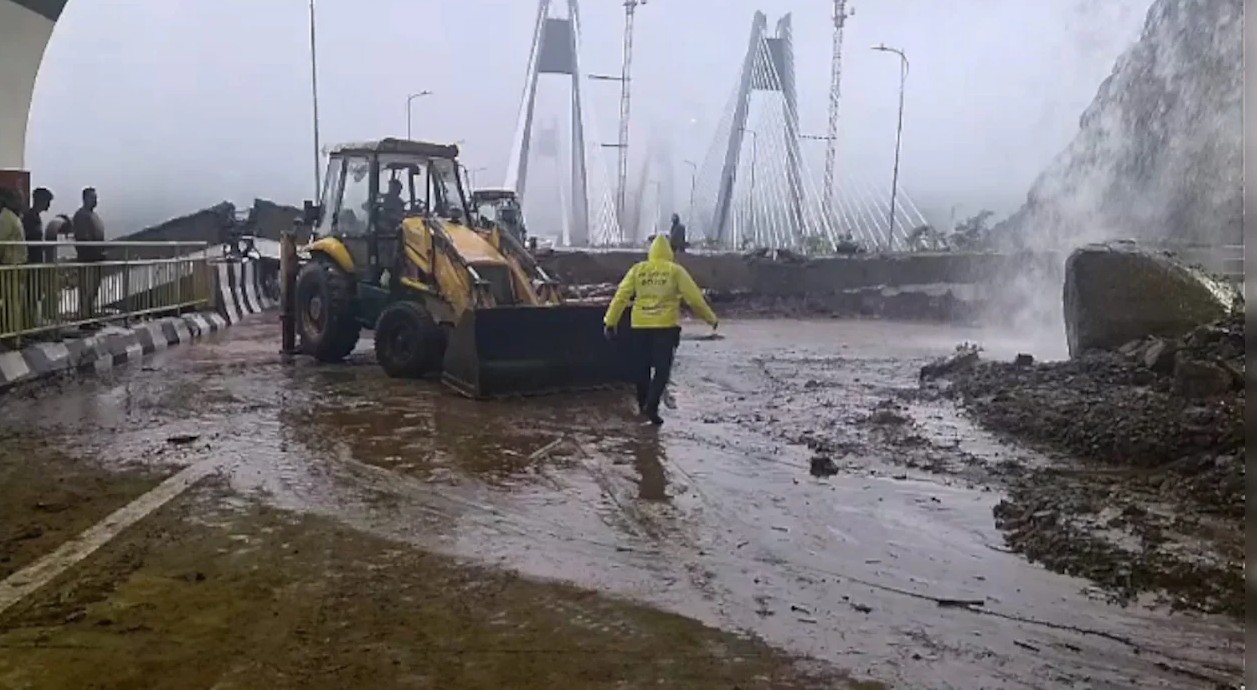
Heavy monsoon rains have once again exposed the vulnerability of India’s transport infrastructure. A massive landslide on the newly inaugurated Mumbai–Pune Expressway Missing Link forced authorities to suspend traffic, causing severe disruption for thousands of commuters travelling between Maharashtra’s two biggest cities. The incident occurred after continuous rainfall triggered a landslide near Tunnel 2 on the Pune-to-Mumbai carriageway, raising fresh concerns over road safety, engineering challenges, and disaster preparedness during the monsoon season. Fortunately, no casualties were reported, but the closure of one of India’s busiest expressways created hours-long traffic jams and significantly affected road and rail connectivity.
What Happened?
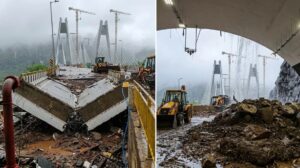
The landslide took place on the early morning of July 6 when there had been continuous heavy rain in the Western Ghats region. Heavy amounts of rocks, mud, and debris came down on the road close to the exit point of Tunnel 2 at the Missing Link portion of the Mumbai-Pune Expressway. The traffic was diverted as soon as it became necessary to avoid any kind of accident and also to secure the commuters. The authorities not only mentioned the occurrence of landslide but also the damage to the retaining structures and the waterlogging in different parts of the highway.
Understanding the Missing Link of the Mumbai-Pune Expressway
The Missing Link of the Mumbai-Pune Expressway is considered to be one of the most challenging road infrastructure constructions of Maharashtra. Launched just two months ago, the 13 km construction was constructed at the cost of approximately ₹6,695 crore to bring down the travel time between the two cities. It consists of long tunnels and tall bridges passing through the Sahyadri mountain range so that the motorists do not have to take the old but dangerous ghat portion of the road. This road was supposed to make the travel distance shorter by almost six kilometres and decrease the travel time by 25-30 minutes.
Landslide Due to Heavy Rainfall Creates Widespread Chaos
This particular landslide was just one in a series of large weather-related disasters that occurred in Maharashtra. The rains were incessant, leading to floods, waterlogging, overflowing streams, and several landslides in the Western Ghats region. The IMD had put out weather warnings for Mumbai as well as other nearby districts about the possibility of extreme rainfall. In addition to disruption of traffic through roads, the unfavorable weather conditions also affected train services. The landslides in the Karjat-Lonavala belt led to damage in the rail tracks, which resulted in the canceling of some trains and diversion of others.
Effects on Travellers and Daily Activities
Due to the closure of the two roads linking Mumbai and Pune, there was massive discomfort to travellers. Thousands of vehicles were stuck for several hours as there were lengthy lines of vehicles stretching along the expressway. Several drivers indicated that it took them five to six hours to complete trips that should have taken less than three hours to complete. The transportation of freight, travelling for business, tourism purposes, and emergencies was also adversely affected. Given the fact that Mumbai and Pune are linked via one of the most active economic zones in the nation, it automatically affects industries, logistics firms, and travellers using the road.
Issues Arising About Infrastructure Quality
It has also ignited a discourse among citizens about the quality of the infrastructure. The Missing Link infrastructure project was recently opened, and there were complaints about pothole-like patches in the road after the rains during the monsoon season. Now, with a landslide happening around the newly constructed portion of the project, questions are being raised about the quality of construction, geology tests, and durability. Although the professionals say that landslides happen in mountains when there is heavy rain, and this is not an indicator of bad construction, there has been doubt among many citizens about whether there were enough precautions taken for such geological risks.
Landslide Rescue, Protection and Rehabilitation
Following the occurrence of the landslide, the officials from MSRDC, Highway Traffic Police and other rescue departments arrived at the spot to examine the extent of damage. The traffic diversion commenced from around 4 a.m., while cleaning up of the debris and checking on the stability of the adjacent hills took place. It must be mentioned that safety of the public was of prime importance for the officials and it was requested of travellers to heed the advice before travelling. Restoration is likely to continue till the engineers ensure the safety of the area.
Conclusion
The landslide incident at Mumbai-Pune Expressway Missing Link is a demonstration of the obstacles encountered by India’s infrastructure in the monsoon months. Despite being one of the country’s great engineering feats, nature always finds ways of putting infrastructure projects to test. The case under discussion proves the need for measures such as improved slope stabilization, geological assessment, proper drainage systems and quick-response teams in landslide-prone areas. While the process of restoring normal traffic operations is on-going, the case is a testament to the need for a balance between developing infrastructure and disaster management. Safety of the commuters and maintenance of proper transport connections will be key as heavy rains continue to affect the region.
1 thought on “Massive Landslide Shuts Mumbai–Pune Expressway”